
For most of the last decade, legal lead generation ran on one brutal equation: buy attention as cheaply as possible, at the largest possible scale, and let volume paper over quality. Sweepstakes entries, prize giveaways, and co-registration forms fed millions of phone numbers into call centers every month. Agencies spent seven figures a month lighting up dialers, and firms paid for the noise because just enough signal came through to justify it.
That machine is done. In 2026, the firms still buying co-registration and sweepstakes leads are quietly losing to the ones that stopped. The economics did not just soften. The ground moved, and it moved fast.
The million-dollar machine that stopped printing
The old model was seductive because it was legible. A lead cost a few dollars. Buy enough of them, run them through a hard-charging call center, and a small percentage would convert into signed cases. If the math worked at the bottom, nobody looked too hard at the top of the funnel.
But the cost of that volume was always hiding in plain sight. Contact rates on sweepstakes and co-registration data were dismal. Consumers who entered to win a gift card did not remember opting into anything, let alone a conversation with a law firm. Intake teams burned hours chasing people who had zero intent, and every one of those calls carried compliance risk. The cheap lead was never actually cheap. It just moved the cost somewhere the spreadsheet did not show.
What co-registration and sweepstakes leads actually are
A co-registration lead is captured when a consumer signs up for one thing and is quietly opted into several unrelated offers on the same page. A sweepstakes lead comes from a prize or giveaway entry. In both cases, the person wanted the reward in front of them. They did not raise their hand for legal help, and most have no idea their information was ever routed to a law firm.
That single fact is the whole problem. Legal cases are not impulse purchases. A person with a real injury who wants compensation behaves nothing like a person hunting for a free tablet. When you buy the second group hoping to find the first, you are paying to sort noise, and you are doing it at scale.
Why the volume model collapsed
Several pressures arrived at once. Consumer contact rates kept falling as spam filtering and call screening improved. Consent scrutiny intensified, and shared, resold, multi-buyer data became a liability no serious firm wanted on its books. Litigation funders and the firms they back started demanding proof that a claimant was real and qualified before a single dollar moved.
The result was a quiet repricing of the entire market. The question stopped being how many leads can you deliver and became how many of these are real, documented, qualified claimants who will actually sign. Co-registration data could never answer that question, so it stopped clearing the bar.
The medical records turning point
If there was a single moment the old model died, it was when medical records became central to how leads are qualified and transferred. A claimant who cannot point to a documented injury, a treatment date, and a provider is not a case. They are a phone call. Firms and the agencies feeding them started building record verification into the intake process itself, and in many programs, documentation became a requirement before a live transfer would even be accepted.
This raised the bar from "answered the phone" to "documented, qualifying claimant." Overnight, an entire category of cheap lead had nothing to offer. You cannot manufacture a medical record from a sweepstakes entry. The leads that survived were the ones generated from genuine intent, where the person was already seeking help for a real injury.
Working a mass tort or injury docket?
See what qualified, exclusive intake actually costs.
We run dedicated, single-firm campaigns with eligibility screening built into every form. Get a free breakdown of your current cost per signed case versus an exclusive model.
Explore mass tort lead generationThe death of the blind live transfer
For years, the live transfer was the currency of legal lead gen. A call center would warm up a consumer and hand the live call to a firm's intake team. The firm never saw how the person was sourced, what they were told, or who else had already called them.
That blind trust is gone. Serious firms and the larger agencies no longer want a transfer they cannot vet. They want to contact the lead themselves, on their own terms, so they can confirm that no other marketer has already worked the same person, that consent is clean, and that the attorney-client relationship starts on solid ground. Exclusivity stopped being a premium upsell and became the baseline expectation.
"The firms winning today do not want your best transfer. They want a lead nobody else has touched."
CPA: the model that exposes who is really performing
Nothing has clarified this market faster than the shift toward cost per acquisition. Under a CPL model, an agency gets paid whether the lead ever becomes a client. Under CPA, or cost per signed case, the agency only gets paid when a lead turns into a real retained matter. The incentive moves entirely onto quality.
CPA is a truth serum. An agency that was quietly reselling co-registration data cannot survive being paid only on signed cases, because almost none of those leads sign. The agencies that thrive under CPA are the ones generating genuinely qualified, compliant claimants, and the model proves it in the only currency that matters: retainers on the board. When a firm asks "will you work on a per-signed-case basis," they are really asking "do you actually believe in your leads."
The new standard: exclusive, dedicated campaigns
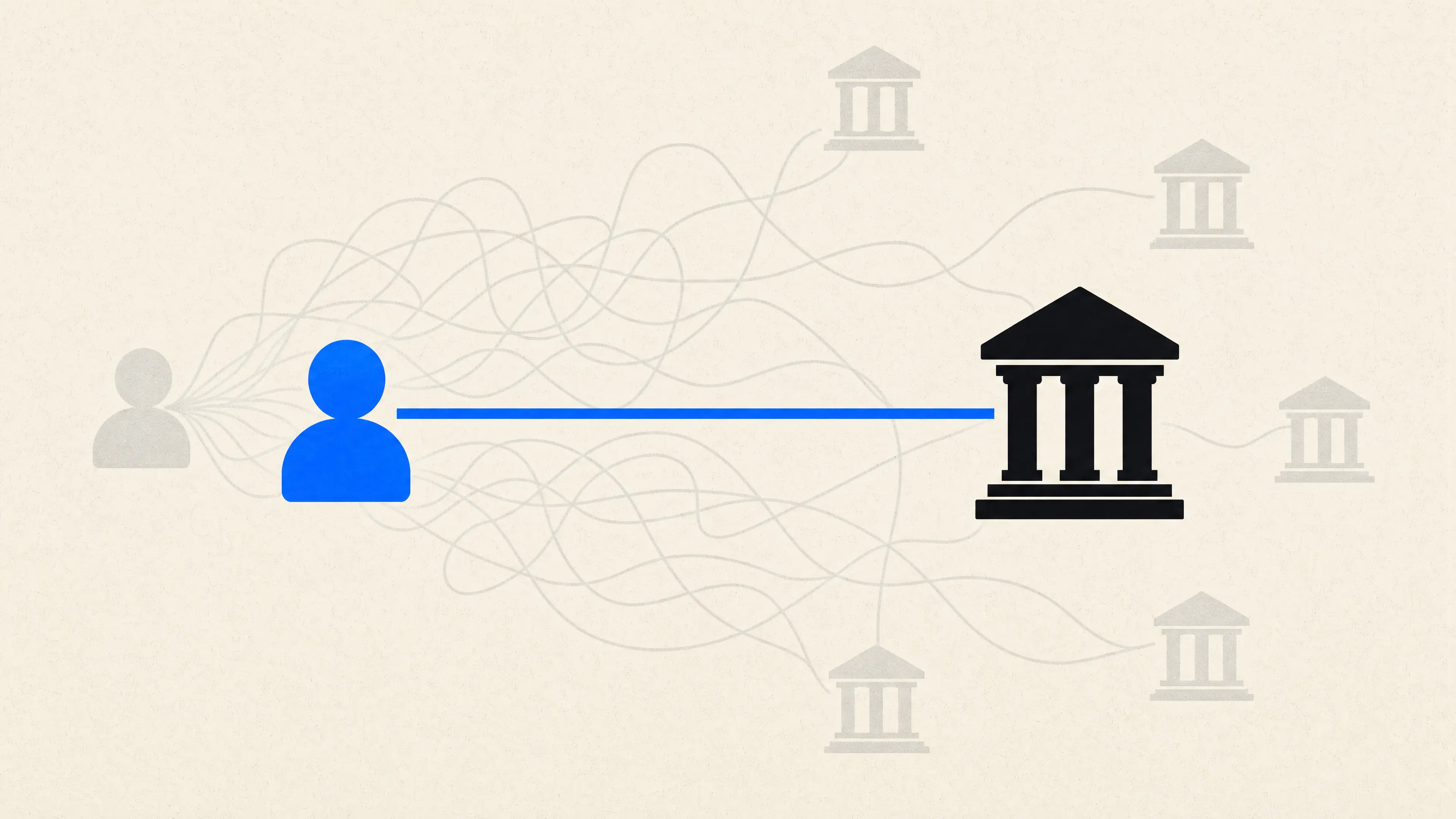
Put the pieces together and a clear standard emerges. The modern legal lead is generated from real intent, verified with documentation, delivered exclusively to one firm, and contacted by that firm directly. No sharing. No reselling. No blind transfers.
This is exactly how we structure campaigns at SuperLawsuits.com. Every campaign is purely dedicated and focused on a single client. A claimant generated for one firm is that firm's alone, and it is the firm that makes contact, so there is never a question of whether someone else got there first. That exclusivity is not a marketing flourish. It is what makes the leads defensible, compliant, and worth signing.
It is a smaller, more expensive lead than the old sweepstakes entry. It is also the only kind that still turns into cases, which is why the entire industry is converging on it. Our published campaign results are all built on that model.
What this means for your firm, or your agency
If you are a firm still buying shared or co-registration leads, the move is straightforward. Ask three questions of any provider: Is this lead exclusive to me? How is the claimant qualified and documented? Will you work on a cost-per-signed-case basis? An honest answer to all three separates the agencies built for 2026 from the ones still running a 2018 playbook.
If you run marketing for firms, the message is just as clear. The race to the cheapest lead is over, and it was always a race to the bottom. The agencies that win now are the ones that can stand behind their leads on a CPA basis and deliver them exclusively. That is a higher bar, and it is a far better business. For the deeper mechanics of building qualified intake at scale, see our lead generation services.
Frequently asked questions
What are co-registration leads?
Co-registration leads are contacts captured when someone signs up for one offer, often a sweepstakes or freebie, and is simultaneously opted into unrelated offers on the same page. They are cheap and high volume, but the person was chasing a prize, not looking for a lawyer, so intent is extremely low.
Why are co-registration and sweepstakes leads no longer effective for law firms?
Contact rates collapsed, consumers rarely remembered opting in, consent scrutiny rose, and firms began requiring documented, qualified claimants. A lead who cannot produce medical records of a real injury has no value to a firm evaluating a case, so the volume model stopped paying for itself in 2026.
What is a live transfer and why are firms moving away from them?
A live transfer routes a consumer call in real time from a marketing call center to a law firm. Firms are moving away from blind transfers because they want to contact and qualify leads themselves, confirm no other agency has already contacted the person, and protect compliance and the attorney-client relationship.
What does CPA mean in legal lead generation?
CPA stands for cost per acquisition, which in legal usually means cost per signed case or retainer. Instead of paying per lead regardless of quality, the firm pays only when a lead becomes a real client. It aligns incentives and exposes which agencies actually produce quality, compliant leads.
What makes an exclusive lead campaign different?
An exclusive campaign is dedicated to one law firm. The lead is generated for that firm, contacted by that firm, and never resold or shared with competitors. This is now the industry standard because it protects contact quality, compliance, and the firm’s relationship with the claimant.
Joshua Rouillard
Founder, RouillardMedia
Joshua has spent over a decade in performance marketing and legal lead generation. He founded RouillardMedia and operates SuperLawsuits.com, where every mass tort campaign is run exclusively for a single firm.